Keep The River Running
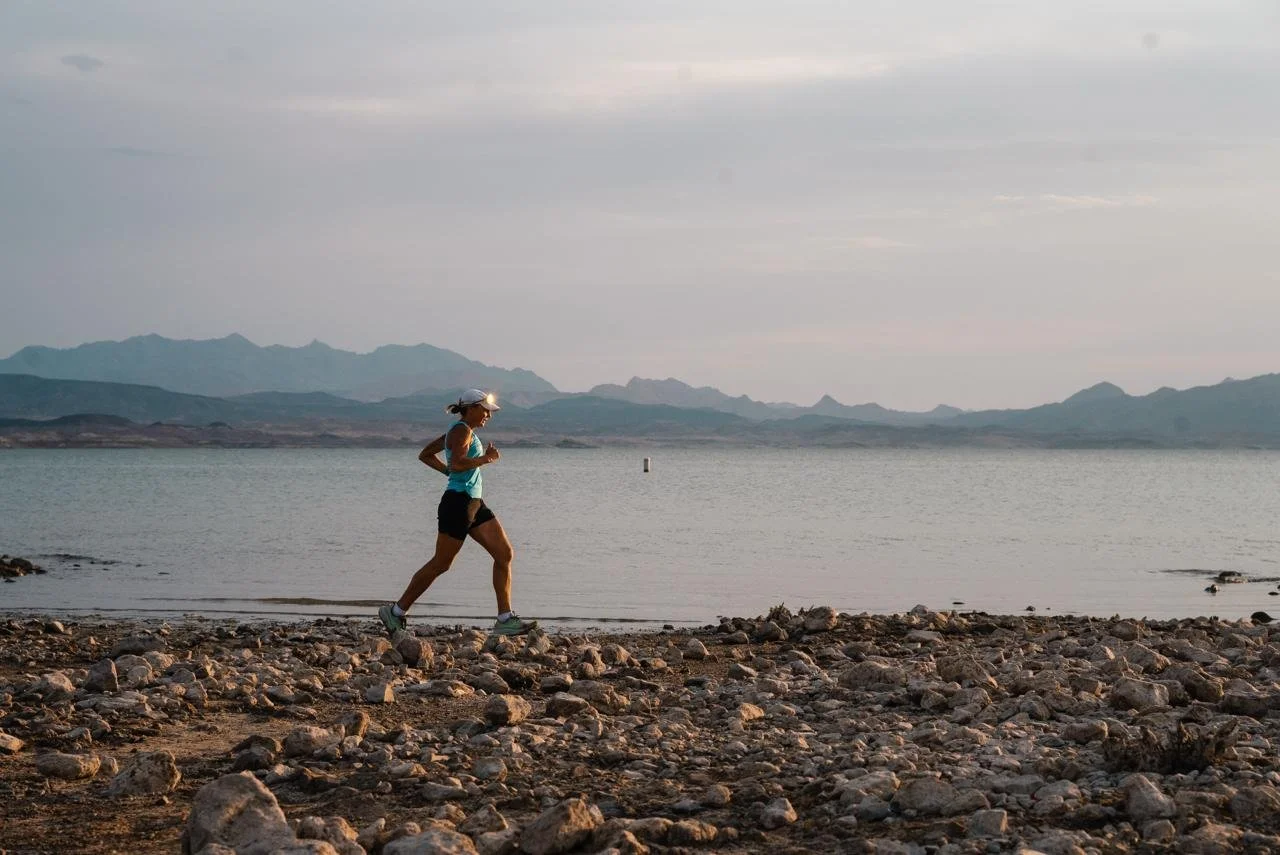
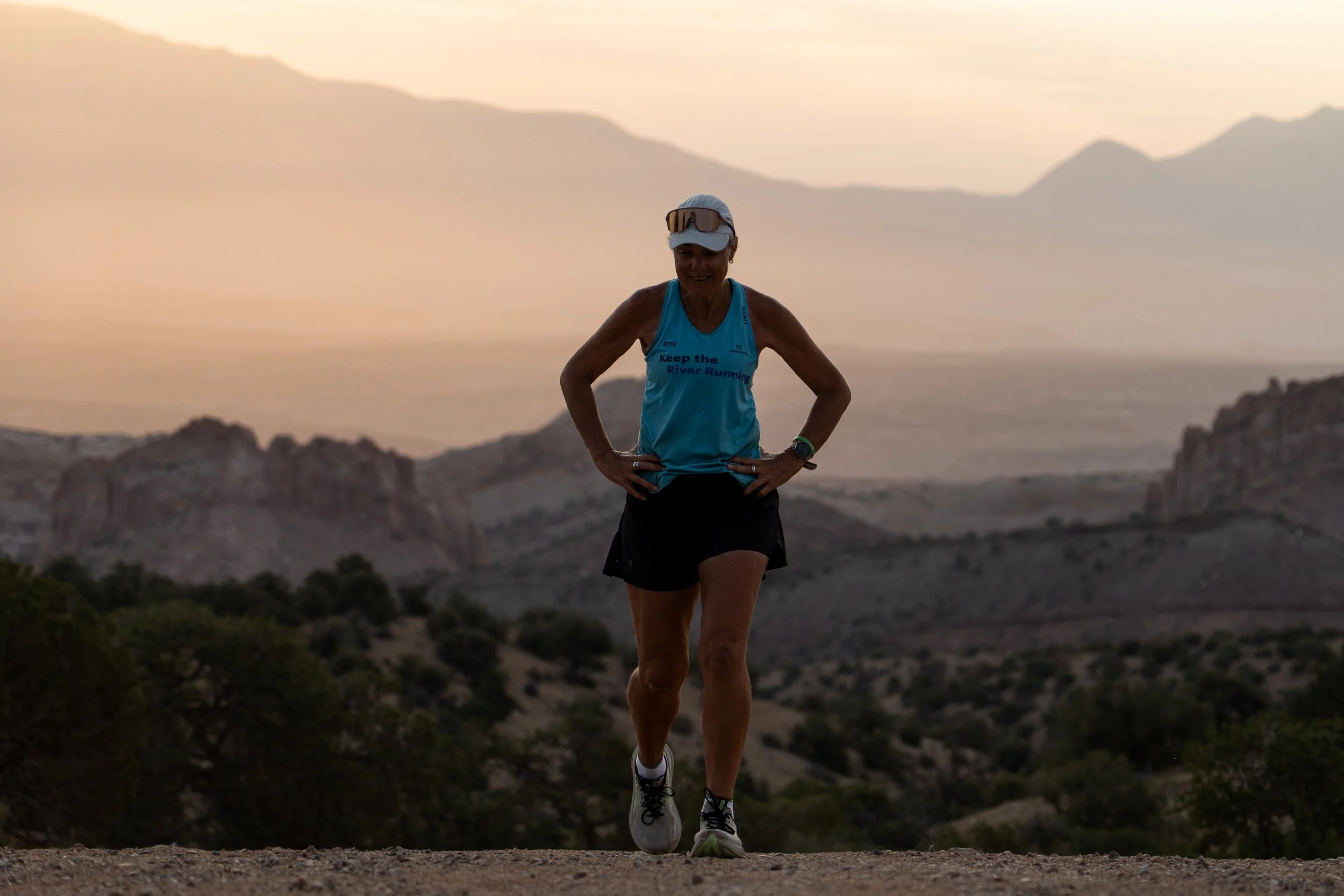
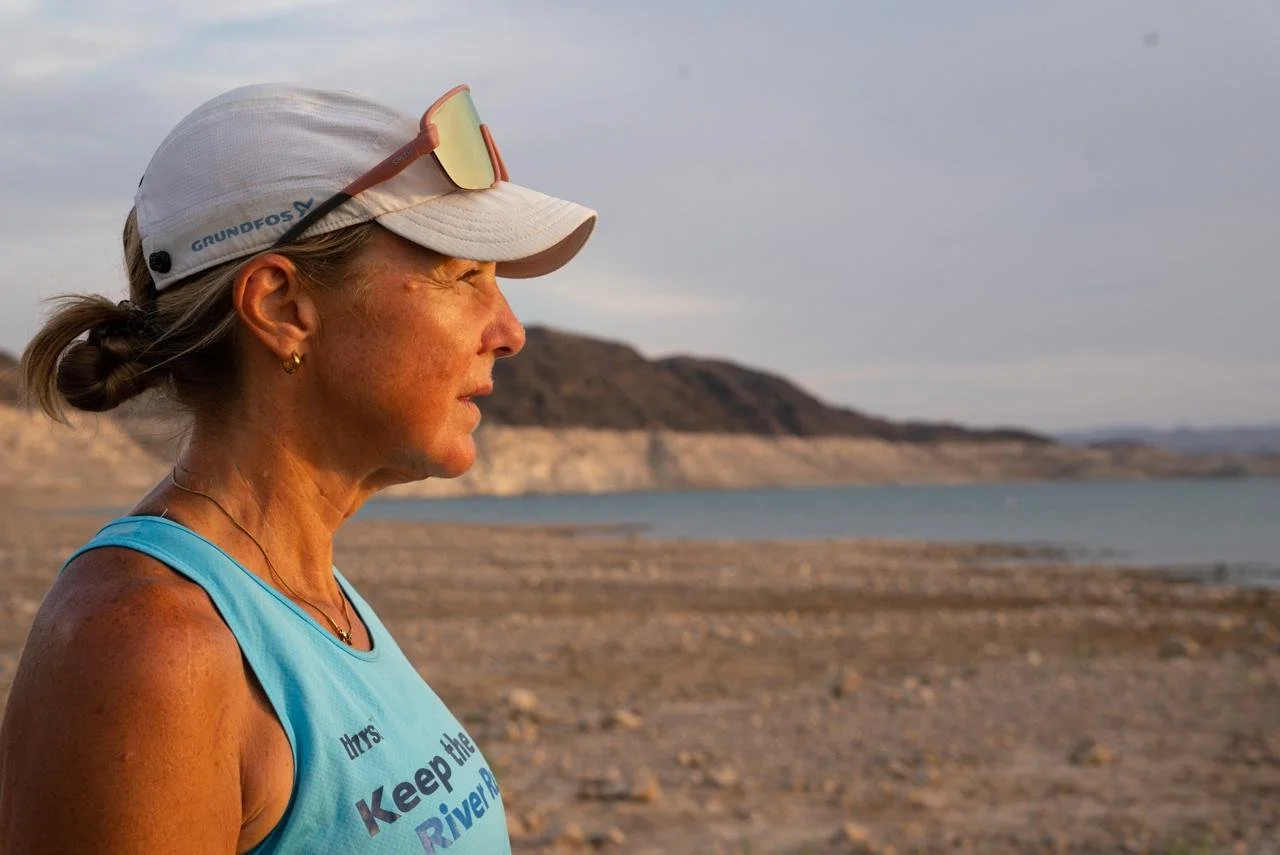
In 2026, ultra-runner and water advocate Mina Guli ran more than 2,000 miles along the Colorado River, from its source high in the Rocky Mountains to where it runs dry in Mexico, before concluding her journey in Los Angeles.
Along the way, Mina and a team of dedicated partners worked to raise awareness and drive the conversations and collaboration needed to secure the river’s future.
2,000 miles for Water
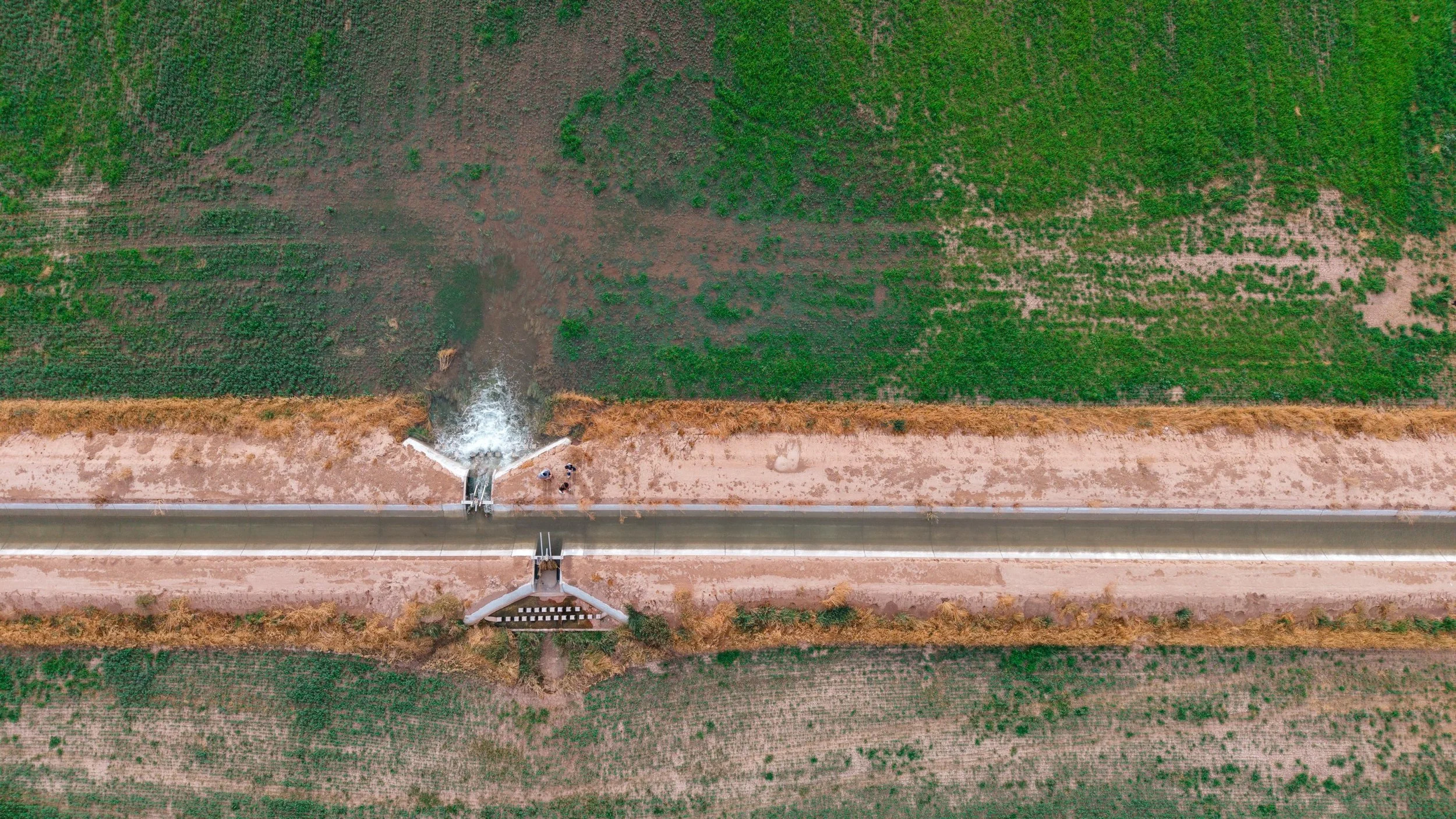
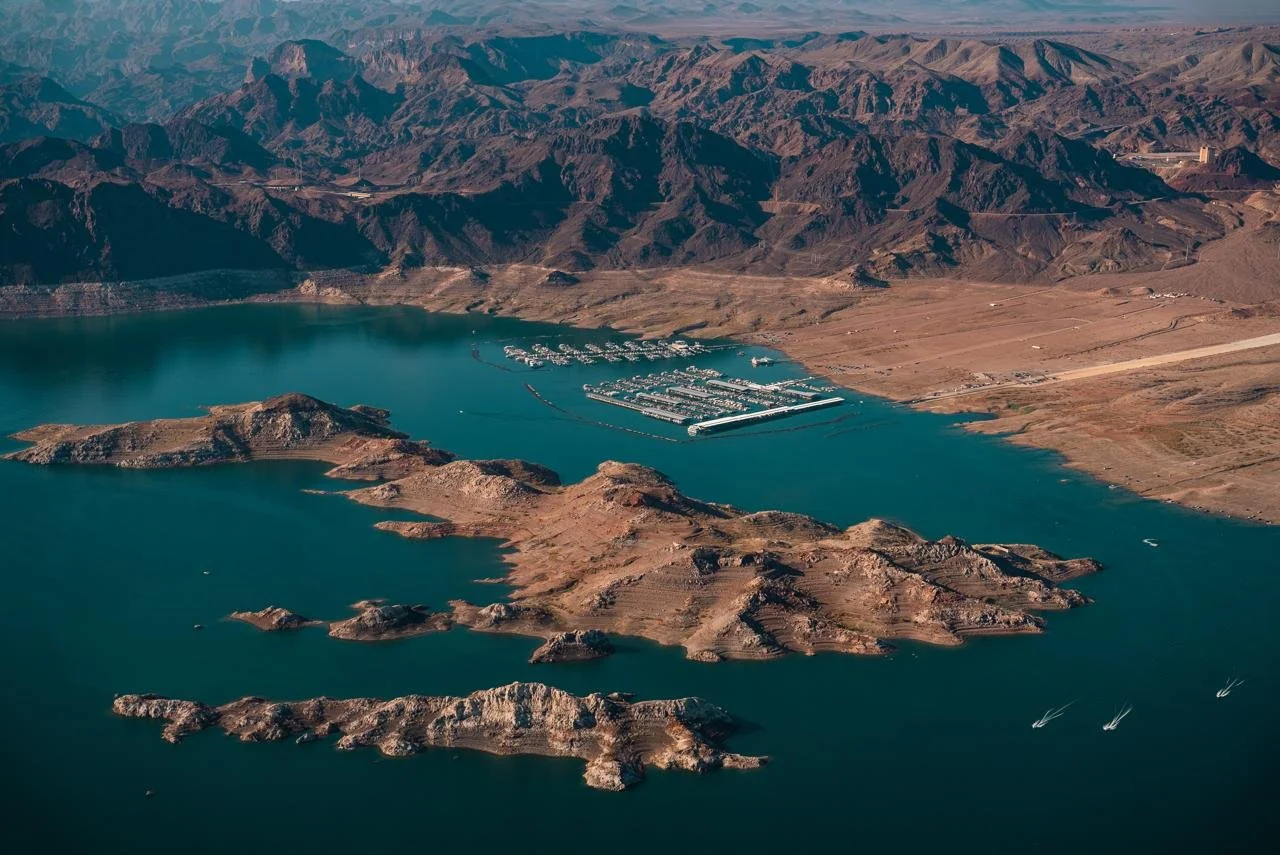
The Colorado River is a lifeline for the American West, supporting farms, cities, tribal nations, data centers, and supply chains. But the system that keeps it flowing is under immense pressure, and the river is at a breaking point. Federal plans to cut water use across Arizona, California, and Nevada by up to 3 million acre-feet are now finalized. Critics warn the cuts could hobble businesses and hamstring cities. How we navigate the crisis will set a benchmark for water-stressed regions worldwide.

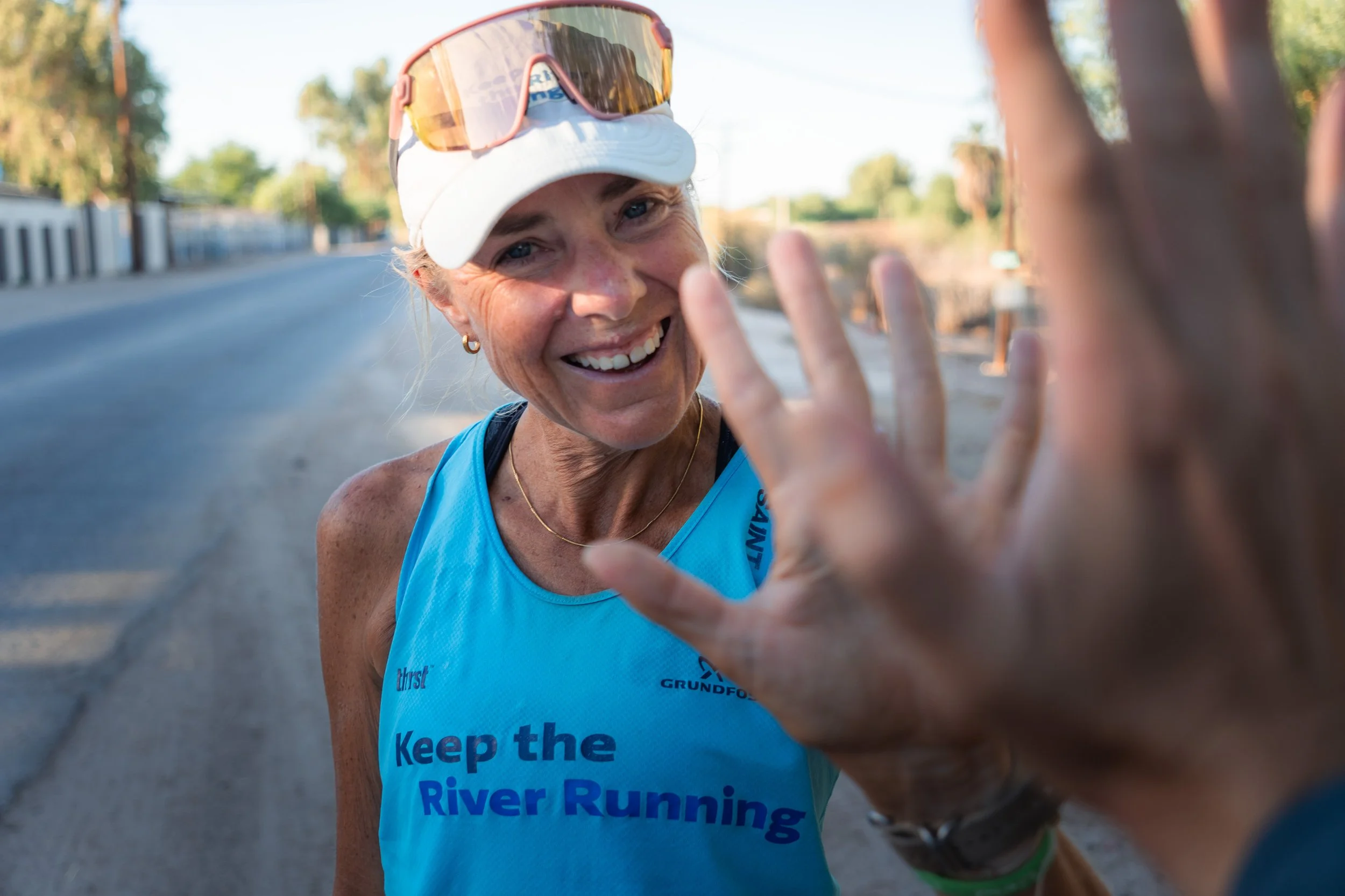
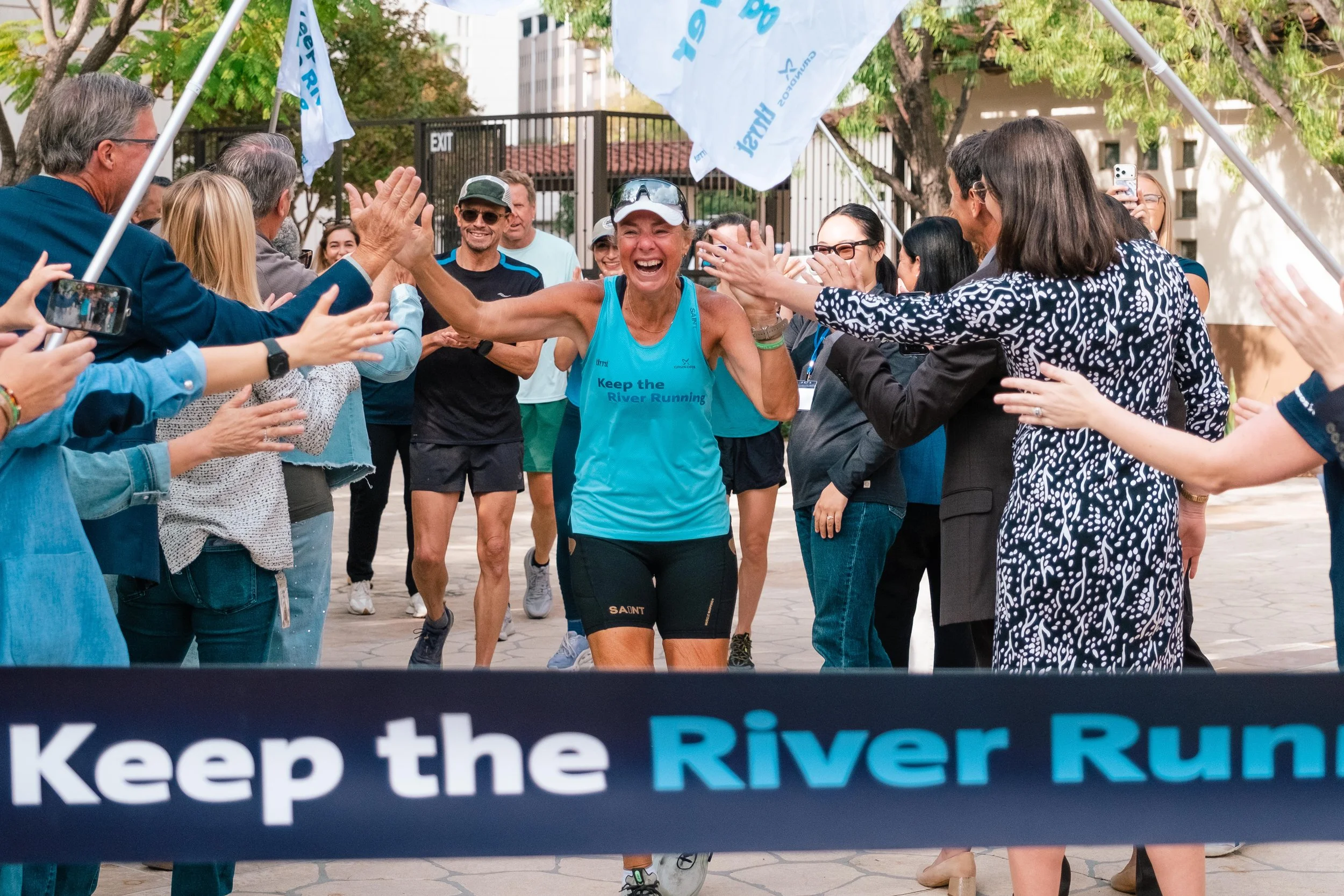
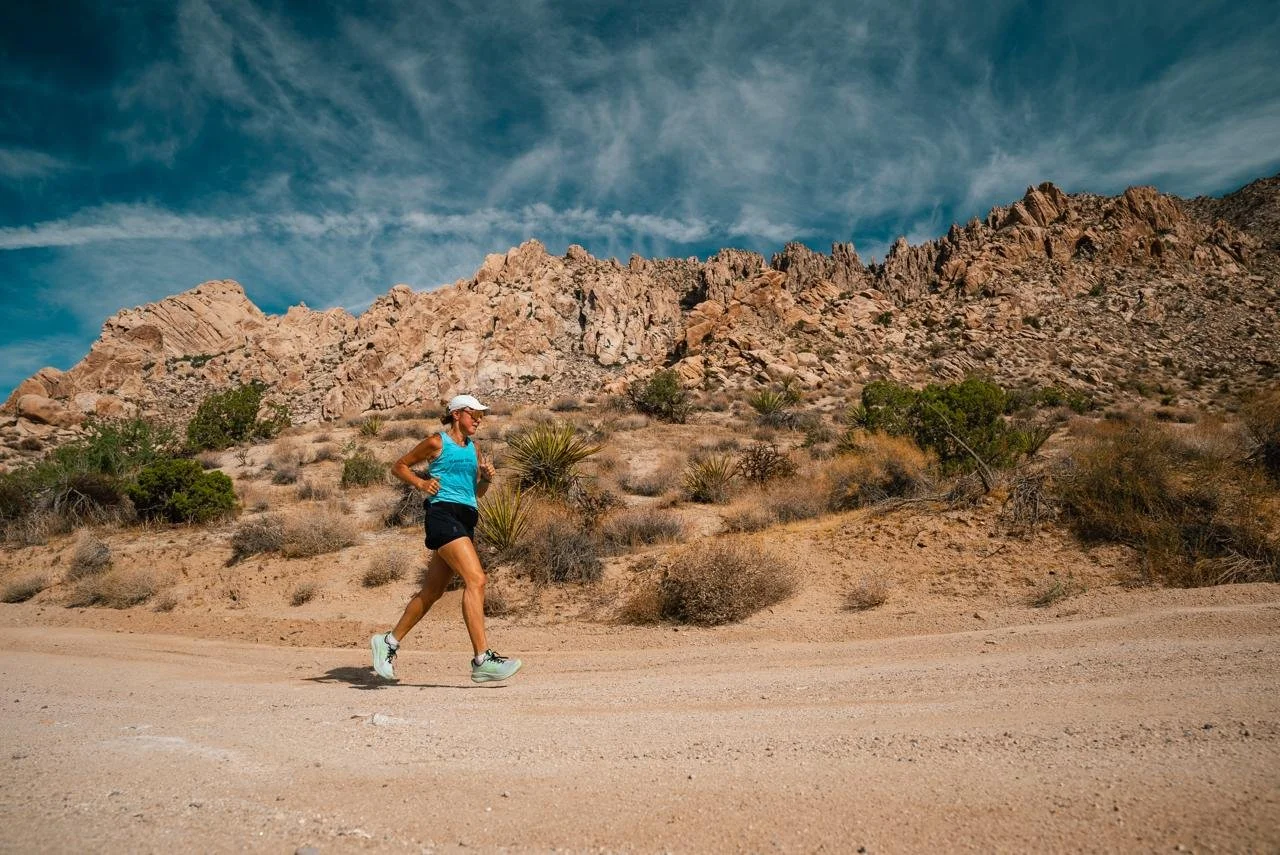
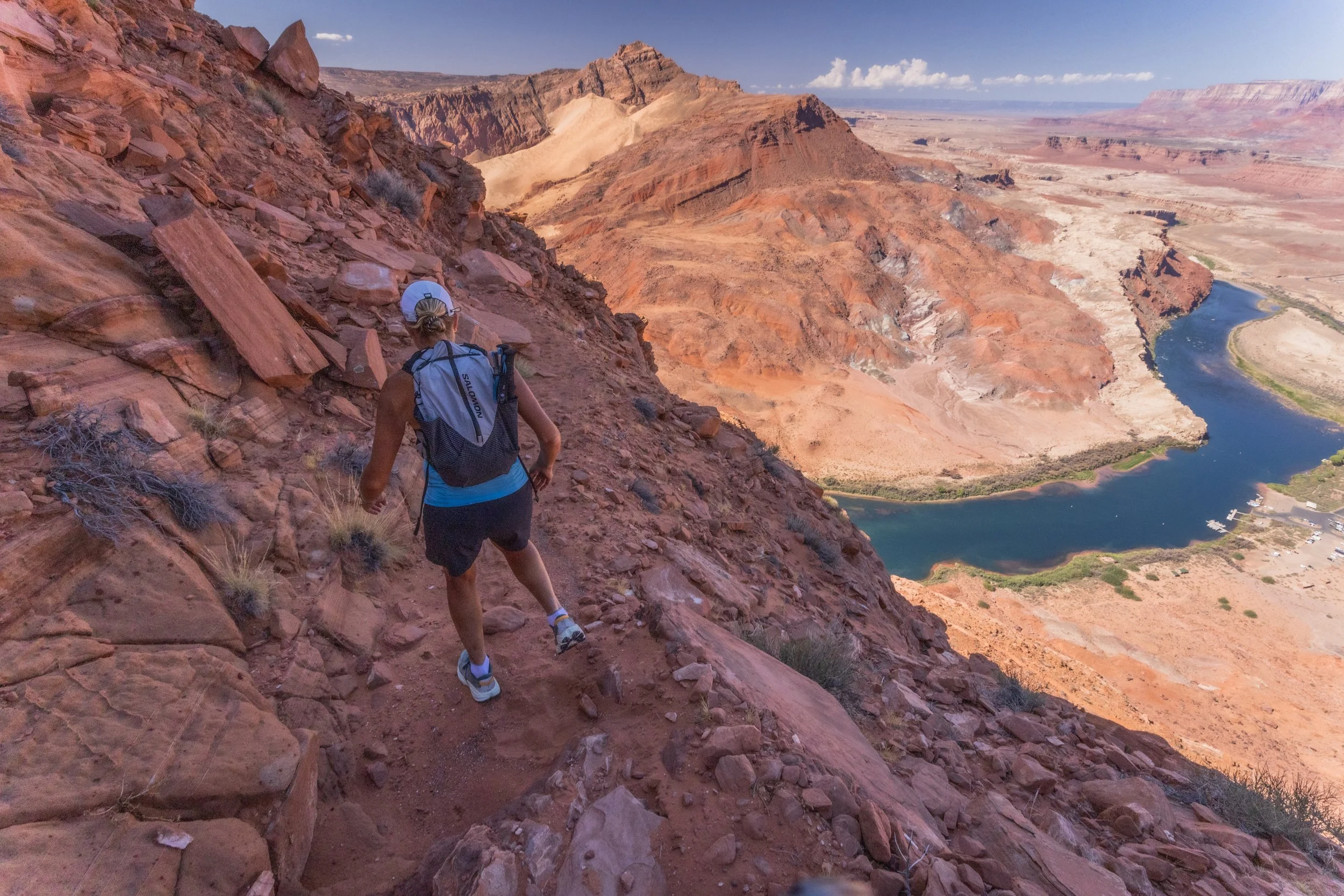
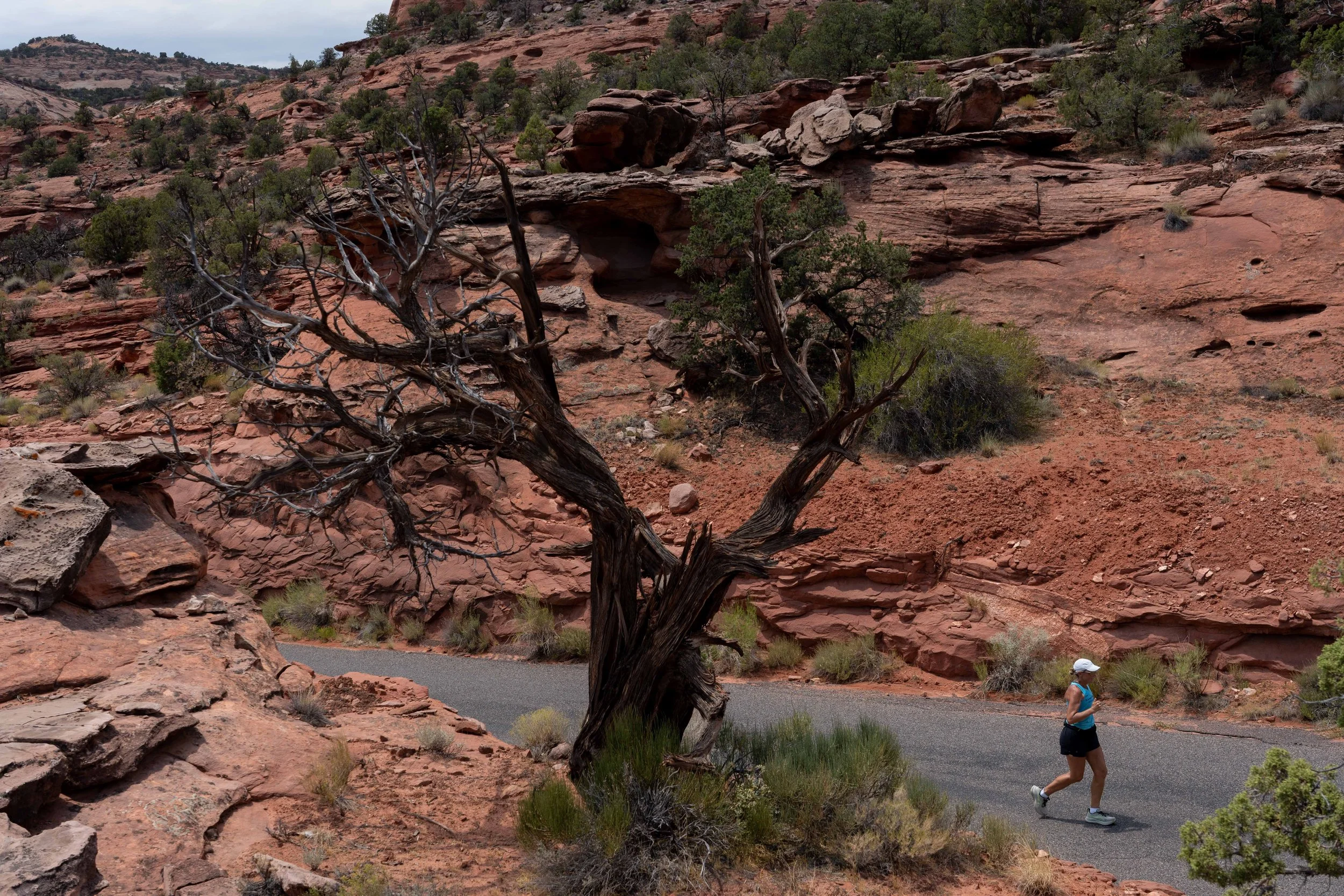
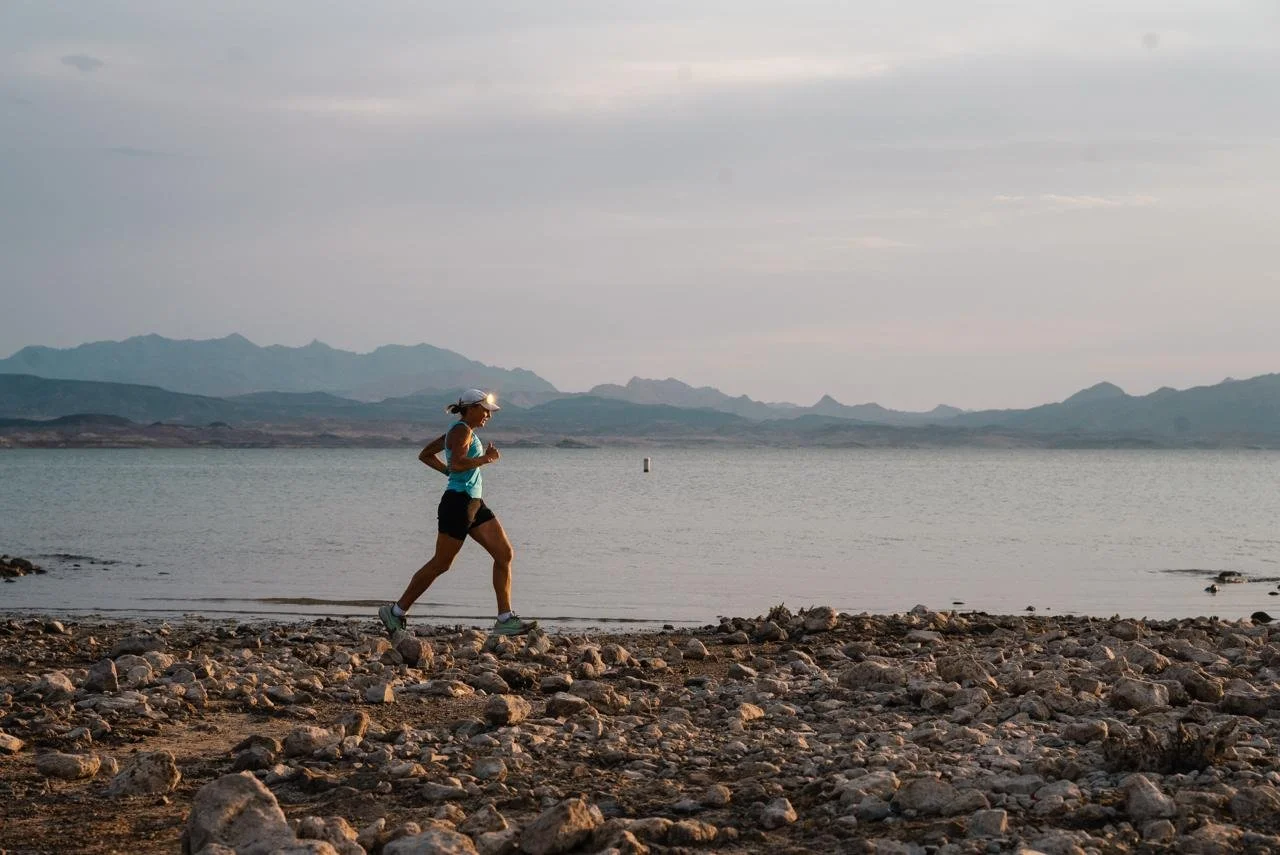
My journey began high in the Rocky Mountains on June 21 and finished at the Metropolitan Water District headquarters in Los Angeles on September 17, 2026. Over 92 days, I ran 2,000 miles, traversing wildfires, flash flooding, soaring temperatures, and some of the most difficult terrain I’ve ever faced.

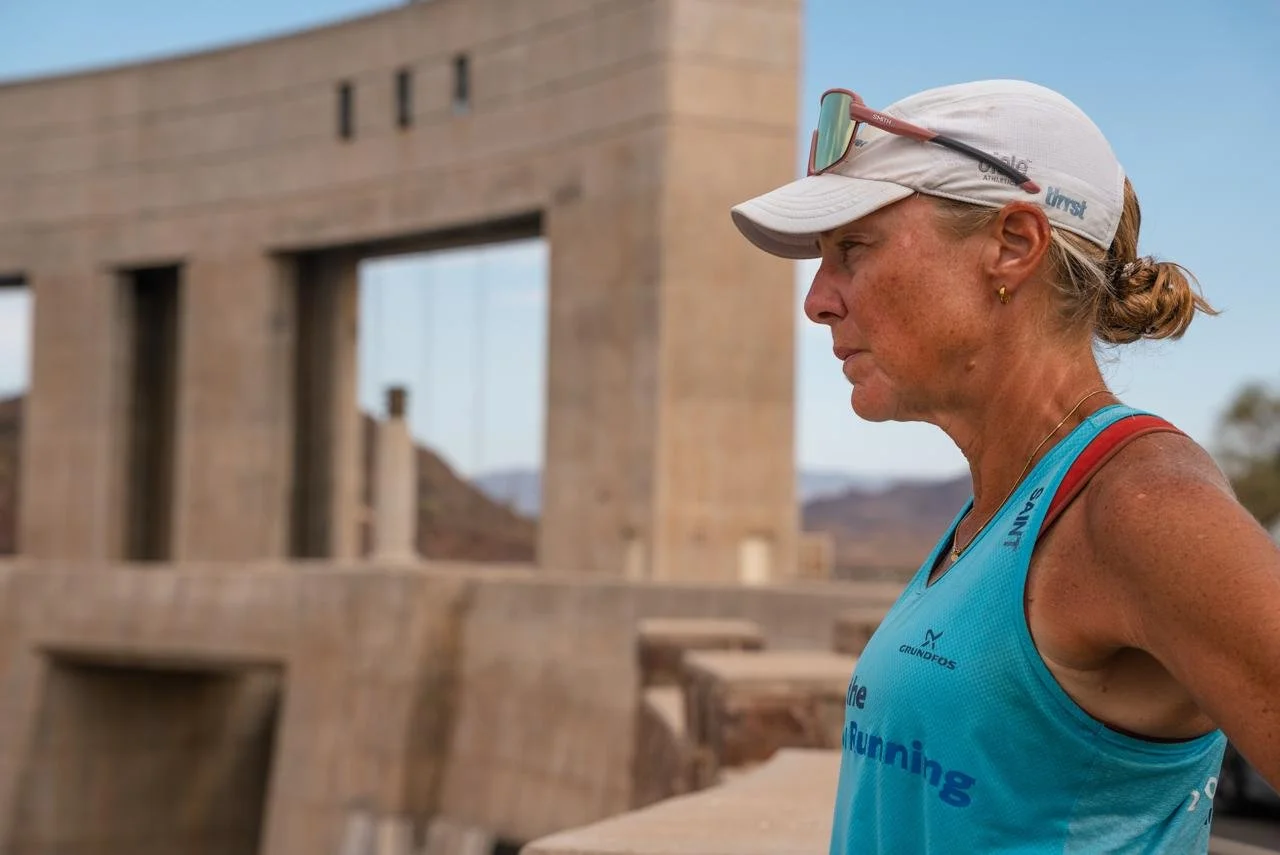
It was the hardest campaign I’ve ever taken on. Most people thought I was crazy – especially considering it was the hottest US summer on record. But this was never about the miles or the heat. It was about the river, and the millions of people who depend on it – for jobs, for industry, for life.

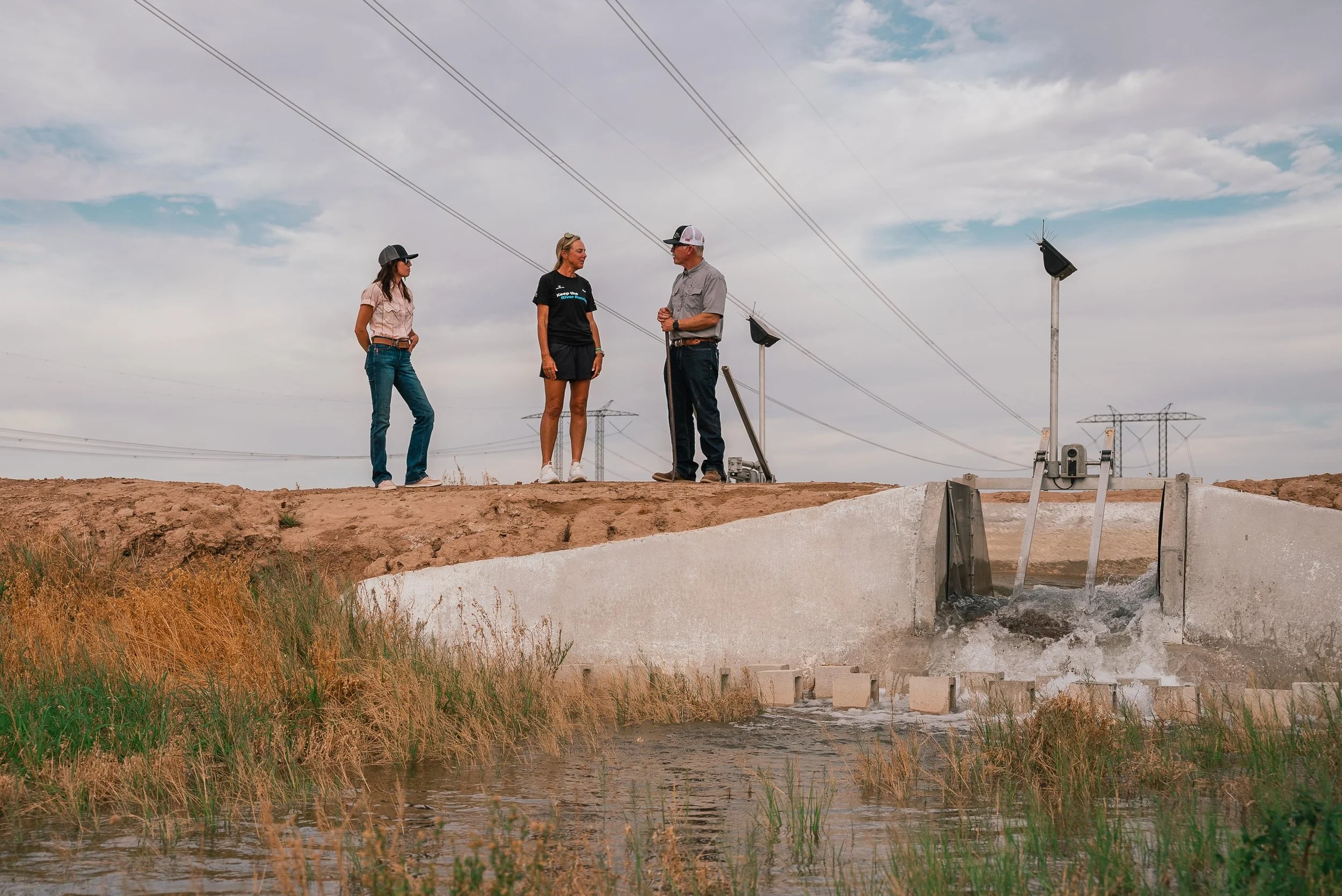
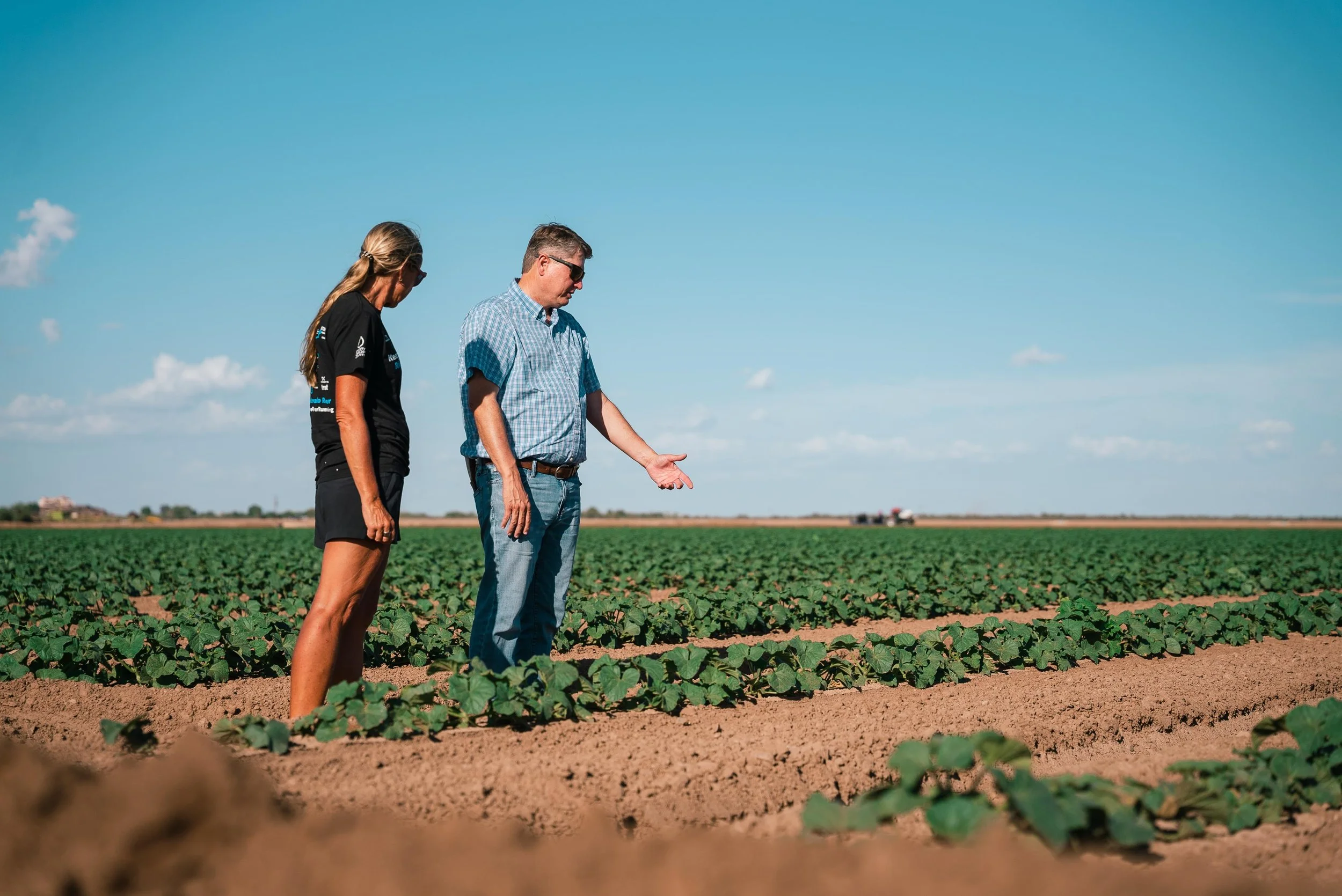
Along the way, I met people already building solutions. In Longmont, Colorado, I spent a day with Byron Kominek, the owner of Jack's Solar Garden. He transformed his Grandpa Jack’s struggling farm into a site with more than 3,000 solar panels – generating enough power for hundreds of homes.

At the High Lonesome Ranch, I met Abby Burke, Program Director at Western Rivers Audubon. Her team is restoring water quality with Beaver Dam Analogs: simple, low-cost structures that slow water, prevent soil erosion, and create wetlands where plants can take root and wildlife can thrive.

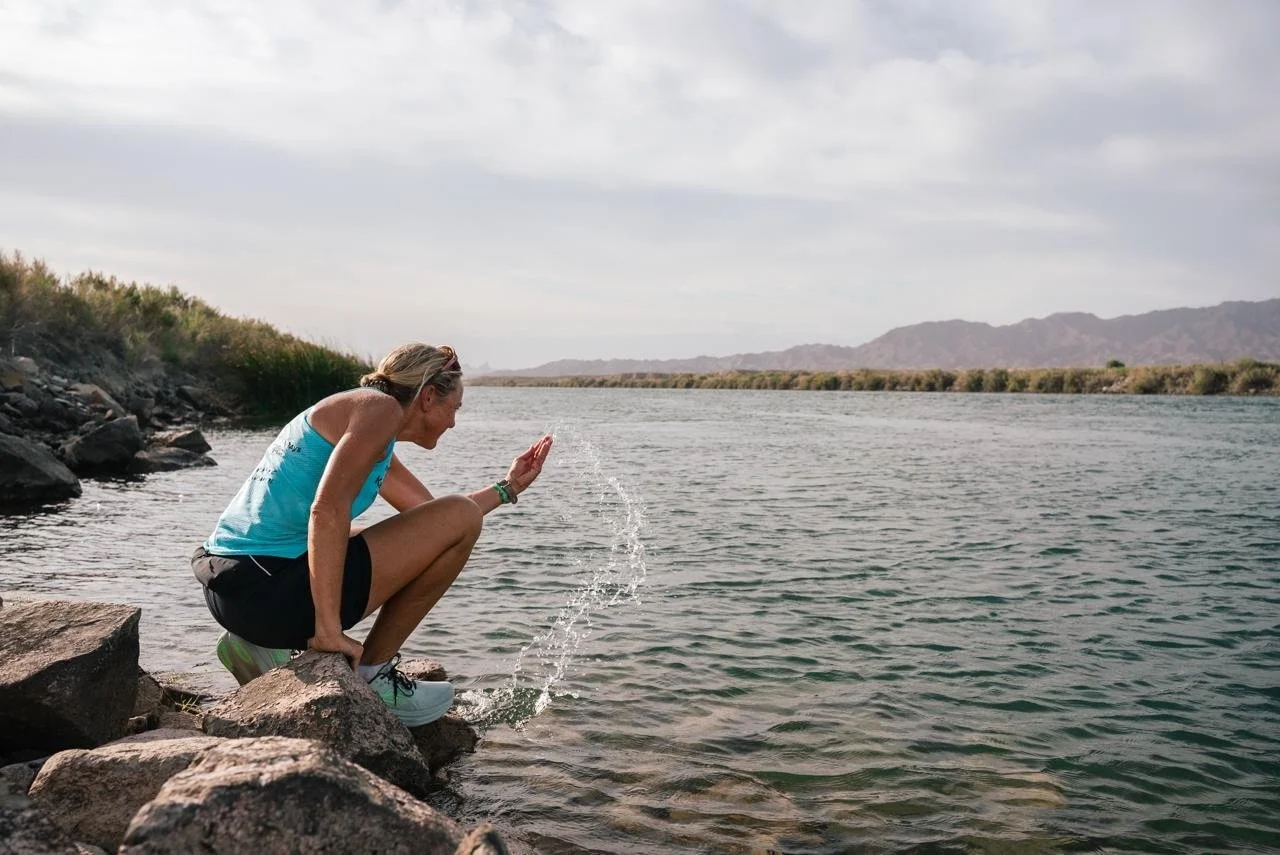
I saw cities capturing and recycling stormwater. I ran alongside the Fort Yuma Run Club – Quechua and Cocopah Tribal community members who ran alongside me to the U.S.-Mexico border, taking me through huge areas of land they are restoring.

And I couldn’t have done any of it alone. To my incredible teammates, who knew the canyon better than I ever could, and to everyone who cheered me on or ran alongside me: thank you. Your support means everything.

The Colorado River needs bold goals – not just small steps, but a clear target we can all run toward. The solutions already exist, so let's back what works. The finish line isn't the end. It's where the real work starts.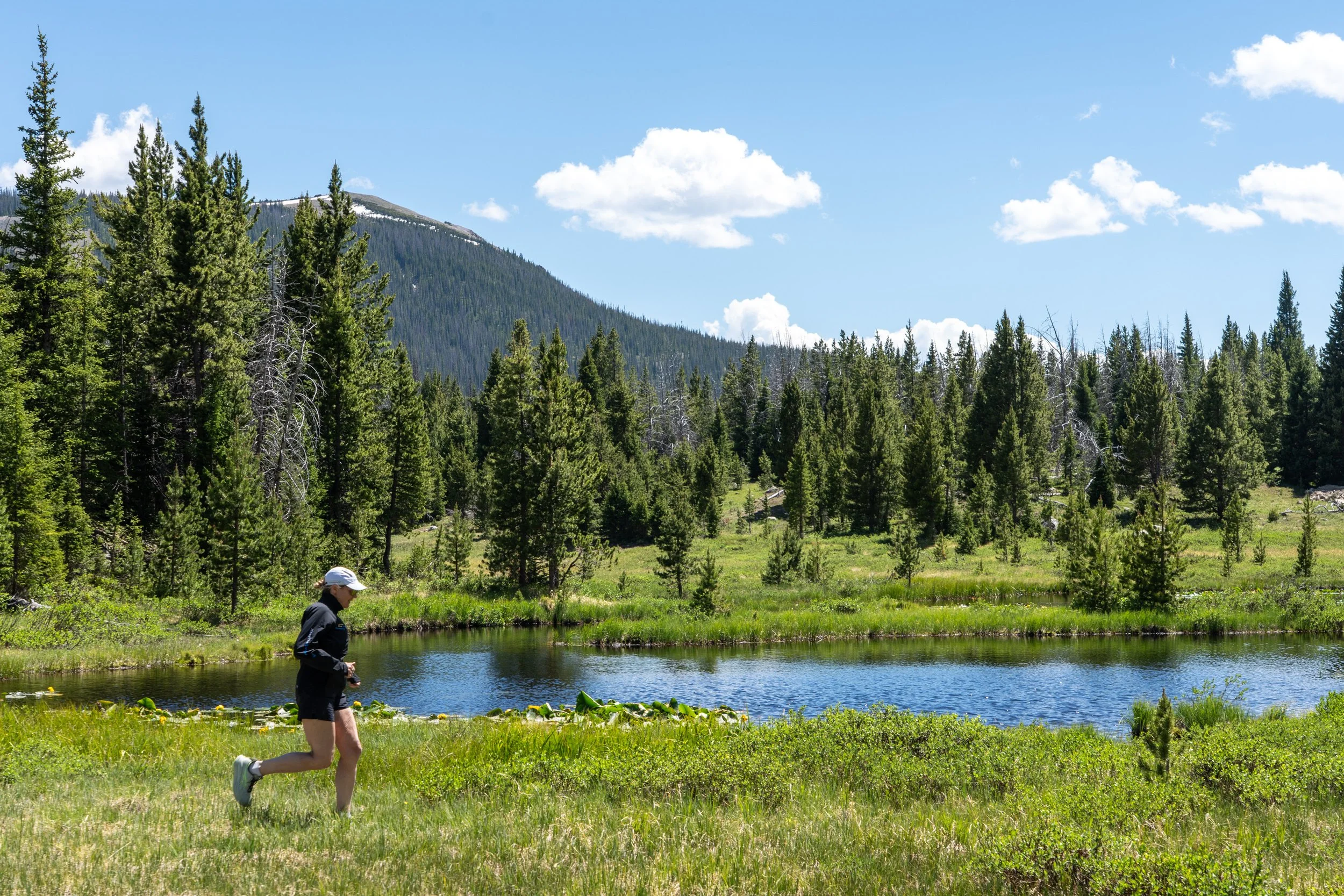

River at a crossroads
Over 100 years ago, an unusually wet period created optimism about the Colorado River’s flow. Seven states agreed to share its waters on a wealth that rarely materialized. The cost of that overestimation has been compounding over the decades, and after a 26-year “mega-drought” in the region, the year of reckoning has arrived.

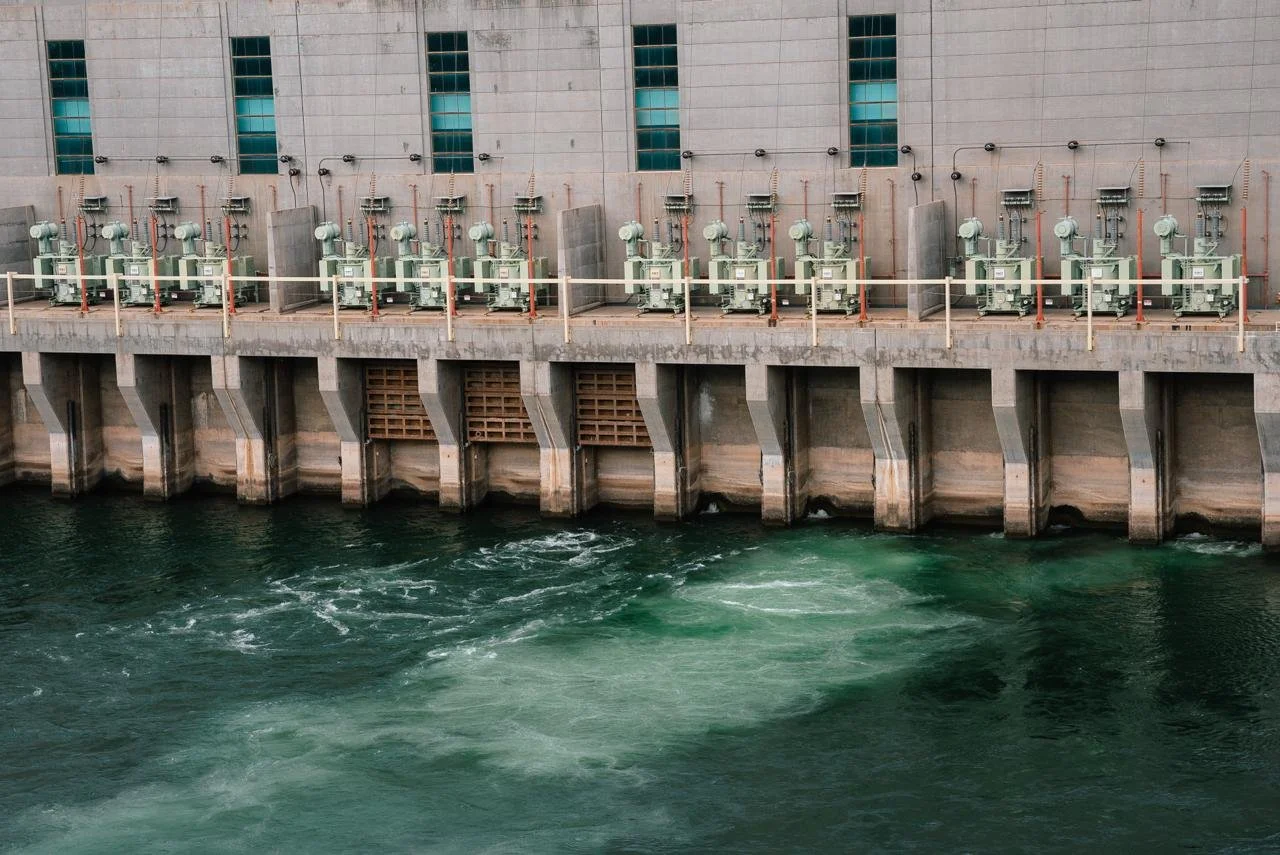
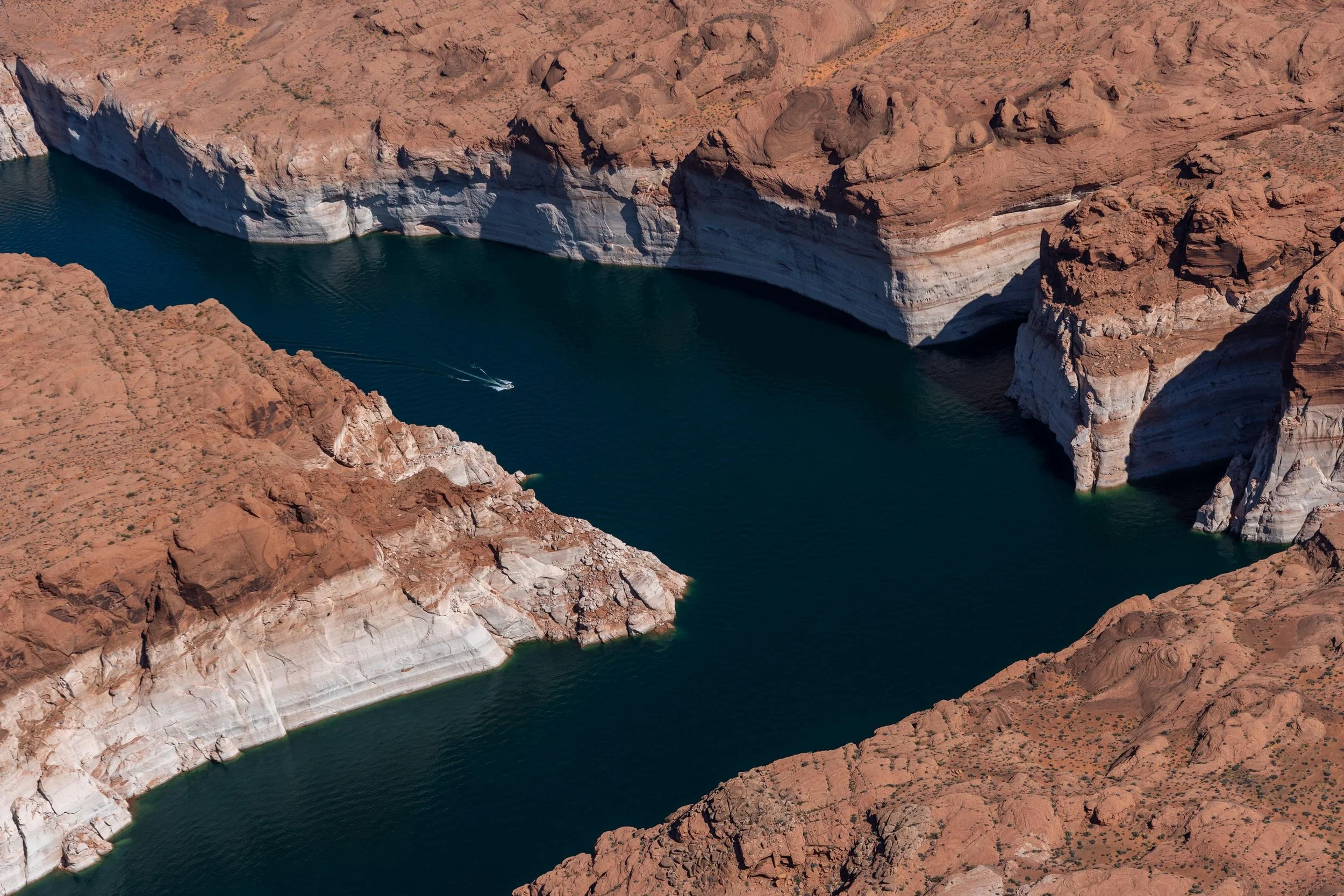
In the spring of 2026, reservoirs along the Colorado River Basin became severely depleted. Aquifers were drained. Agriculture struggled. Dams risked falling below the threshold required to generate power, or even more importantly, of reaching “deadpool,” when water can no longer flow through the dam – a turning point that could damage the dam’s equipment, the river’s ecology, industries and communities across 7 U.S. states.

The economic and societal implications of the Colorado River crisis are staggering: an estimated $1.4 trillion in annual GDP for the US economy is at risk, along with 16 million jobs and a way of life for 40 million people who depend on water from the river and its tributaries.

But the resourcefulness that built the American West is far from running dry. Some states have agreed to voluntary water cuts; Native American Tribes are reducing their water use to help stave off system collapse; cities are recycling, companies are investing in new water-saving technologies, and conservation groups are driving nature-based solutions. There are promising ways to mitigate the crisis, even as logistical and political challenges remain to be addressed.

I was lucky enough to see some of these solutions in action, and was moved by the resourcefulness and resilience of the communities living on the frontlines of the water crisis. But there is still plenty more to be done. The river can’t wait for us to feel ready. It needs us to move now, together. We need to move with the courage of people who've already decided that the destination is worth the difficulty.
“I want all of us to come together as one single community and recognize that water affects all of us. We need to put our differences aside and collaborate to solve this together.” -Mina Guli
The Broader Context
Healthy rivers are vital for enhancing water and food security, reversing nature loss, and adapting to climate change. However, globally, they have been dammed, drained, dredged, and polluted, undermining their diverse benefits to people and nature. The importance of healthy rivers is rising up the international agenda, with countries committing to restore 30% of degraded ‘inland waters’ by 2030 as part of the Kunming-Montreal Global Biodiversity Framework, and the Global Stocktake at COP28 in Dubai highlighting the importance of water and rivers to climate adaptation.

But there is an urgent need to accelerate action, and not only by governments – businesses and financial institutions also need to invest more in restoring healthy rivers as this will ensure long-term environmental stability, foster economic growth, and secure a sustainable future.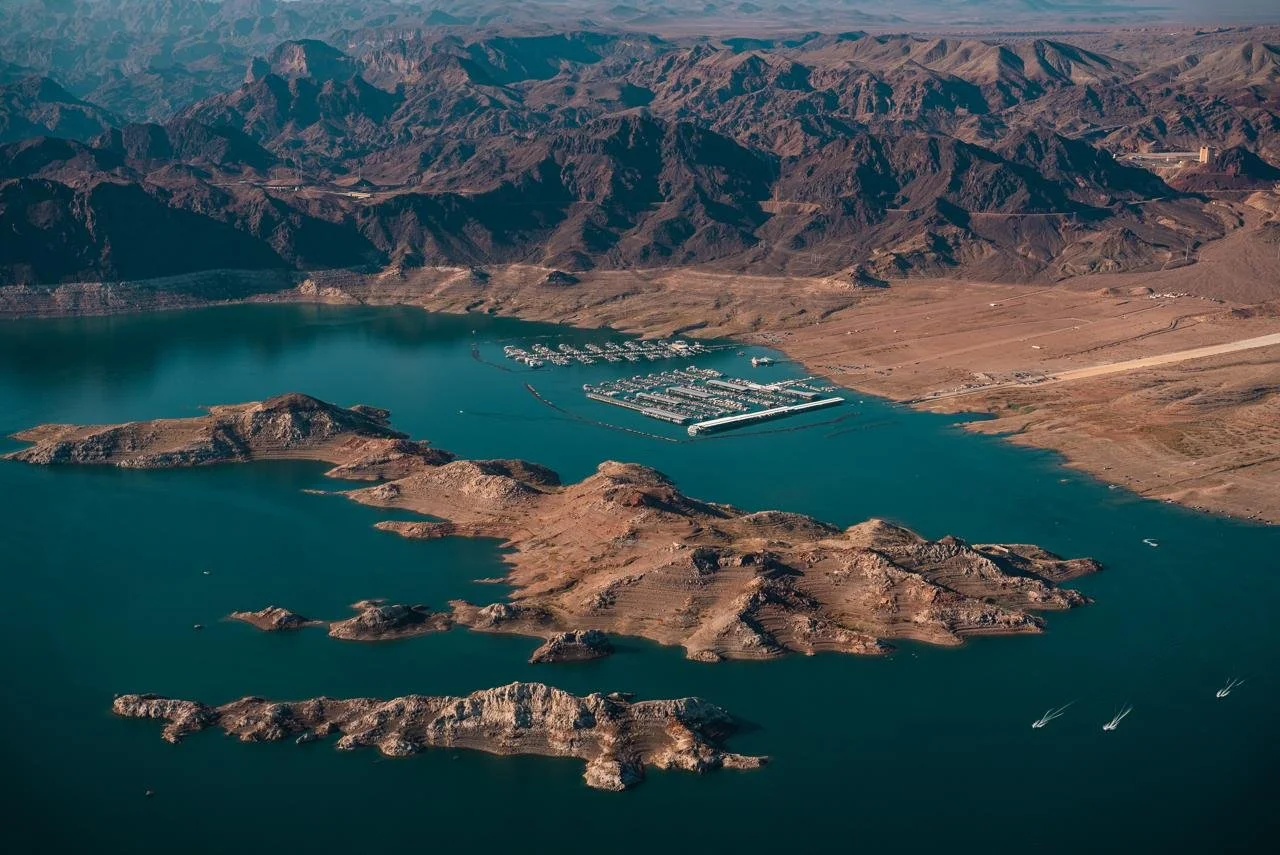
Keep the River Running has helped draw attention to what is happening to the Colorado River and to the solutions already out there. Now it’s time to turn that attention into action. Because finishing the run was never supposed to be the end of the conversation. What matters now is what we do with everything we’ve seen, heard and learned.

So while my run may be finished, this journey certainly isn't.
Keep the river running is proudly supported by our founding partners

IN PARTNERSHIP WITH